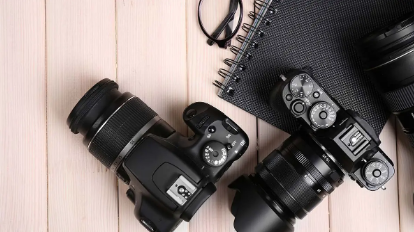
The world of photography has undergone spectacular evolution over the past few decades. From early film cameras to today’s sophisticated digital models, photography enthusiasts and professionals alike have witnessed the rise of numerous technologies. Among them, the camera DSLR (Digital Single-Lens Reflex) has established itself as a must-have for anyone seeking high-quality images. In this article, we provide a comprehensive overview of DSLR cameras—from how they work to their advantages and key selection criteria.
What Is a DSLR Camera?
A DSLR camera, or digital single-lens reflex camera, is a type of camera that uses a mechanical mirror system and a pentaprism to reflect light from the lens to an optical viewfinder. Unlike compact cameras, DSLR cameras allow direct viewing of the scene through the lens, offering unmatched accuracy when composing photos.
DSLR cameras also use large image sensors (typically APS-C or full-frame), resulting in significantly better image quality, especially in low-light conditions. This type of camera is highly favored by professional photographers as well as enthusiasts looking to advance their photography skills.
Advantages of a DSLR Camera
1. Exceptional Image Quality
Thanks to their large sensors and high-quality compatible lenses, DSLR cameras deliver images rich in detail, with superior noise control and excellent color dynamic range.
2. Wide Selection of Interchangeable Lenses
One of the biggest advantages of DSLR cameras is the ability to change lenses according to your needs. Whether you shoot portraits, macro photography, landscapes, or sports, there is a lens designed for every situation.
3. Full Manual Control
DSLR cameras provide complete manual control over exposure, focus, aperture, shutter speed, and ISO sensitivity. This gives photographers total creative control over the final look of their images.
4. Speed and Responsiveness
DSLR cameras are known for their fast autofocus systems and minimal shutter lag, making them ideal for action photography or fast-moving events.
5. Durability and Longevity
Most DSLR cameras are built to last. They often feature solid bodies, sometimes weather-sealed, making them resistant to dust and splashes—reliable companions even in demanding conditions.
Comparison with Other Types of Cameras
There are many types of cameras available on the market, including mirrorless cameras, compact cameras, and bridge cameras. Mirrorless cameras are gaining popularity because they offer performance comparable to DSLR cameras while being more compact. However, DSLR cameras still hold advantages in terms of lens selection, battery life, and optical viewfinders.
Compact cameras, on the other hand, are convenient for everyday use but cannot match DSLR cameras in image quality or manual control options.
How to Choose a DSLR Camera?
Choosing the right DSLR camera depends on several factors, including:
- Your skill level: Beginners can opt for models like the Canon EOS 2000D or Nikon D3500, which are easy to use and affordable.
- Your budget: DSLR prices vary widely. Entry-level models range from €400 to €600, while professional bodies can exceed €2,000 without a lens.
- The type of photography you practice: For sports or wildlife photography, prioritize fast autofocus and a high burst mode. For portraits, a full-frame sensor and a bright lens are ideal.
- Lens compatibility: Always check the availability of lenses for your camera’s mount system.
Most Popular Brands
Among the market leaders, you’ll find:
- Canon: Known for reliable and high-performance cameras with a vast range of lenses.
- Nikon: Another major reference, appreciated for ergonomic designs and excellent image quality.
- Pentax: Less widespread but highly regarded for robust camera bodies, often weather-sealed as standard.
The Future of DSLR Cameras
With the rise of mirrorless cameras, some wonder whether DSLR cameras are becoming obsolete. In reality, both systems continue to coexist, and DSLR cameras are still produced and widely used by many photographers. Their battery life, optical viewfinders, and ergonomics remain major advantages for certain photographic practices.
That said, manufacturers are increasingly focusing on mirrorless systems, which offer comparable, or even superior, performance in a lighter format. Nonetheless, camera DSLR remains a solid and reliable choice, especially for photographers who value durability and a complete shooting experience.
Conclusion
Whether you are a passionate hobbyist or a professional image-maker, a DSLR camera is an excellent choice for achieving high-quality photos with maximum control and flexibility. Digital SLR appareils photo still have a bright future and continue to appeal to a wide audience thanks to their proven performance.
Before making your choice, be sure to compare models, test camera bodies in-store, and read reviews from other photographers. Photography is a demanding passion, but with the right DSLR camera, it becomes a true source of artistic satisfaction.