A home’s electrical infrastructure plays an important role in protecting the property, supporting household appliances, and maintaining reliable power distribution. While homeowners often focus on roofing, plumbing, and structural maintenance, the condition of electrical equipment deserves equal attention.
Aging wiring, deteriorating components, and outdated electrical installations can create safety concerns that may also affect property insurance evaluations. Understanding the relationship between electrical maintenance, home safety, and insurance requirements can help homeowners make informed decisions about their properties.
Why Electrical System Condition Matters for Property Protection
Residential electrical systems distribute electricity to lighting fixtures, appliances, heating equipment, and other household devices.
These installations contain protective components designed to interrupt excessive electrical current and reduce certain electrical hazards.
When electrical equipment deteriorates, problems such as overheating, damaged connections, and insulation failure may increase the risk of equipment damage or fire.
Maintaining suitable electrical infrastructure helps protect the property and supports dependable household electricity distribution.
How Electrical Problems Can Influence Home Insurance
Insurance companies evaluate different property characteristics when determining coverage conditions and insurance premiums.
The age, type, and condition of electrical infrastructure may be relevant during property assessments.
Outdated Electrical Equipment
Some older electrical installations contain equipment that insurers may consider higher risk because of its design, condition, or documented safety concerns.
Insurance requirements vary between companies, so homeowners should review their policy terms directly.
Electrical Fire Risks
Damaged wiring, loose electrical connections, and overheating components can increase the likelihood of electrical fires.
Insurers may consider documented electrical hazards when evaluating a property’s risk.
Previous Electrical Damage
A history of electrical fires, equipment failures, or related insurance claims may influence underwriting decisions.
Maintaining accurate records of completed repairs can help homeowners document corrective work.
Professional Inspection Reports
Some insurers may request information about electrical installations or evidence that specific concerns have been addressed.
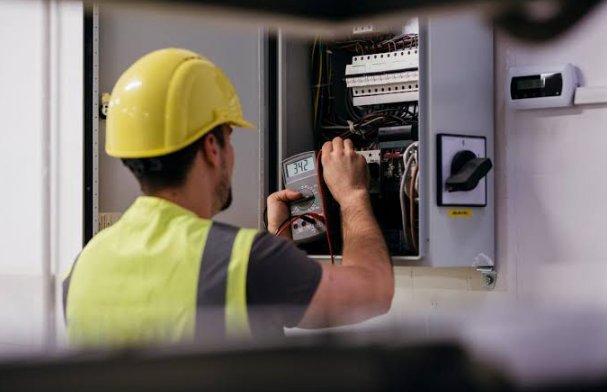
A qualified electrician can provide inspection findings and documentation of completed electrical work.
Common Electrical Problems That Require Professional Attention
Several electrical conditions can affect household safety and equipment reliability.
Deteriorating Wiring Connections
Loose or damaged electrical connections may generate excessive heat.
Professional inspection is important because these conditions can create serious electrical hazards.
Frequently Tripping Circuit Breakers
Circuit breakers interrupt electricity when certain unsafe conditions occur.
Repeated trips may indicate overloaded circuits, faulty appliances, damaged wiring, or defective protective equipment.
Burning Smells Near Electrical Equipment
A burning odor may indicate overheating or deteriorating electrical insulation.
Homeowners should treat this as an urgent warning sign and seek professional assistance.
Moisture and Corrosion
Water intrusion can damage electrical components and interfere with their safe operation.
Rust, moisture stains, and visible corrosion should be evaluated promptly.
Damaged Electrical Enclosures
Physical damage can compromise the protective function of an electrical enclosure.
Exposed or damaged electrical equipment should not be handled by unqualified individuals.
When Should Homeowners Consider Replacing Existing Equipment?
Not every electrical problem requires complete equipment replacement. Some conditions can be corrected through professional repairs or suitable component replacement.
However, an electrical panel replacement may be necessary when existing distribution equipment is severely deteriorated, contains unsuitable components, or cannot safely support the property’s calculated electrical requirements.
A licensed electrician can inspect the installation and determine which improvements are appropriate.
Homeowners should also confirm whether their insurance provider has specific documentation or equipment requirements before proceeding with major electrical work.
Important Factors That May Affect Electrical Safety Evaluations
Professional assessments consider several aspects of a property’s electrical infrastructure.
Equipment Age and Condition
Older components may require additional examination, particularly when their maintenance history is unknown.
Age alone does not establish whether replacement is necessary.
Electrical Capacity
A professional load calculation helps determine whether the existing installation can accommodate current household electricity requirements.
Wiring Materials and Installation Methods
Different wiring systems have specific installation and maintenance considerations.
Qualified electricians can evaluate whether the existing wiring meets applicable safety requirements.
Protective Device Compatibility
Circuit breakers and other protective components must be suitable for the equipment in which they are installed.
Incompatible devices can compromise intended circuit protection.
Environmental Exposure
Moisture, physical damage, and other environmental conditions can affect electrical equipment reliability.
How Professional Inspections Help Protect Homeowners
Professional electrical inspections can identify hazards that are not visible during routine household maintenance.
Identifying Hidden Defects
Qualified electricians can investigate deteriorating connections, damaged insulation, and other electrical problems.
Reviewing Circuit Protection
Protective devices can be evaluated for suitability and signs of deterioration.
Assessing Equipment Capacity
Load calculations determine whether the electrical infrastructure can support the property’s requirements.
Documenting Electrical Conditions
Professional inspection reports can provide useful information about the condition of existing equipment and recommended corrective actions.
Verifying Completed Repairs
After repairs or modifications, qualified professionals can perform appropriate testing and provide relevant documentation.
Maintaining Electrical Records for Property Management
Maintaining accurate electrical records can help homeowners manage future maintenance and insurance inquiries.
Useful documentation may include:
- Professional inspection reports.
- Electrical permits and inspection approvals.
- Invoices for completed electrical work.
- Equipment manufacturer information.
- Records of major circuit modifications.
- Documentation of previously identified electrical problems and repairs.
Organized records can also help future electricians understand the property’s electrical history.
Preventive Maintenance Practices for Long-Term Safety
Homeowners can follow several basic practices to help preserve electrical reliability.
Keep Electrical Equipment Accessible
Avoid placing furniture, storage boxes, or other materials directly in front of electrical distribution equipment.
Protect Equipment From Water Exposure
Moisture intrusion can damage electrical components and create dangerous conditions.
Avoid Overloading Electrical Circuits
Appliances should be connected to appropriately rated circuits according to their electrical requirements.
Monitor Warning Signs
Burning odors, recurring breaker trips, unusual sounds, and visible damage require professional evaluation.
Schedule Qualified Electrical Inspections
Professional assessments are especially valuable for older properties or homes experiencing recurring electrical problems.
Why Professional Electrical Work Is Essential
Electrical distribution equipment contains components that may remain energized even after the main breaker is switched off.
Attempting internal electrical repairs without appropriate qualifications can expose homeowners to electric shock, burns, and other serious injuries.
Licensed electricians have the technical knowledge and specialized equipment needed to inspect and repair electrical installations safely.
Professional work also helps ensure that modifications comply with applicable electrical codes, permit requirements, and manufacturer specifications.
Conclusion
The condition of residential electrical infrastructure can affect property safety, electrical reliability, and certain home insurance considerations.
Recognizing warning signs, maintaining accurate repair records, and arranging professional inspections can help homeowners address potential hazards before they develop into more serious problems.
Insurance requirements vary by provider and property, making it important to confirm specific coverage conditions directly with the insurer.
Through responsible maintenance, qualified electrical services, and proper documentation, homeowners can protect their properties and maintain a dependable electricity supply.